
 by
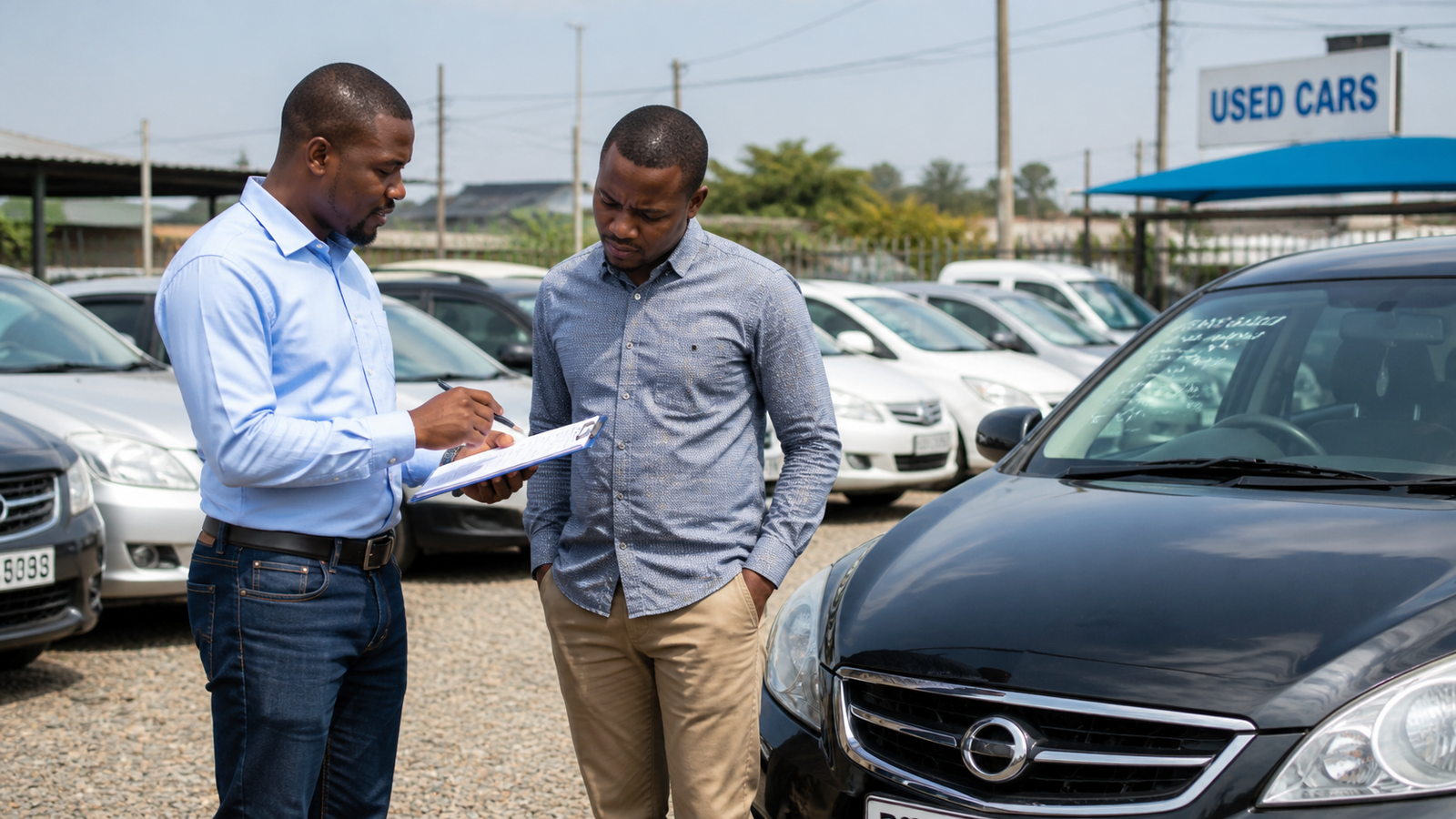
Buying a used car in Kenya can feel overwhelming with numerous options and potential pitfalls. Whether you’re a first-time buyer or looking to upgrade, navigating the local car market requires careful consideration. From understanding the costs involved to recognizing the right places to buy, our comprehensive guide simplifies the process. By the end of this article, you’ll have the knowledge needed to navigate the used car market confidently and make an informed decision.
Understanding Your Needs
Before diving into the used car market, assess your specific needs. Consider the following:
What Will You Use the Car For?
- Daily commuting
- Family trips
- Off-road adventures
Budgeting for the Purchase
Set a realistic budget that includes not just the purchase price but also ongoing costs like insurance, maintenance, and fuel.
Preferred Car Type
Decide if you need a compact car for city driving or an SUV for family trips.
Where to Shop for Used Cars in Kenya
Knowing where to shop is crucial. Here are some of the best avenues to explore:
Online Marketplaces
- Websites like Cheki and Jiji have vast listings of used cars.
- These platforms allow you to filter search results by brand, price, and location.
Dealerships
- Established dealerships in Nairobi, like Toyota Kenya, offer certified pre-owned vehicles.
- They often provide warranties and after-sales services.
Private Sellers
- Buying directly from a private seller can save you money.
- Be cautious: always verify the vehicle’s history before making a decision.
What to Consider Before Buying
Vehicle Condition
- Physical Inspection: Check for scratches, dents, and tire wear.
- Under the Hood: Look for any obvious signs of wear or leaks.
Test Driving
- Drive the car in different conditions to ensure it performs well.
- Pay attention to the brakes, acceleration, and any unusual sounds.
Documentation and History
- Ensure the seller provides crucial documents, such as the logbook and service history.
- Check for any outstanding loans on the vehicle.
Negotiating the Price
Negotiation is a critical skill when buying a used car. Here’s how to effectively negotiate:
Do Your Research
- Understand the market value of the car you are interested in.
- Use online resources to get an approximation of fair pricing.
Start Low
- Begin the negotiation at a lower price than what you’re willing to pay.
- This gives you room to negotiate upwards.
Be Polite but Firm
- Maintain a friendly demeanor while being clear about your budget constraints.
Payment Options Available
When it comes to financing your used car purchase, consider these options:
Cash Payment
- A straightforward option that the seller may prefer.
- No financing fees, and you own the car outright.
Financing Options
- Look into loans from banks or microfinance institutions.
- Ensure you understand the interest rates and repayment terms.
Hire Purchase
- Allows you to pay a deposit and then installments over time.
- You only take ownership after the final payment.
After Purchase Considerations
Once the deal is done, make sure to handle the following promptly:
Insurance
- Get your car insured as soon as possible. Compare different policies to find the best coverage.
Change of Ownership
- Visit the National Transport and Safety Authority (NTSA) for the transfer of ownership.
- Ensure all documentation is in order to avoid legal issues.
Maintenance
- Schedule regular maintenance checks to keep your car in good condition.
- This includes oil changes, brake checks, and routine inspections.
Key Takeaways
- Assess your needs before entering the used car market.
- Research different marketplaces and options for buying a vehicle.
- Inspect the physical condition and necessary documents before finalizing a purchase.
- Be prepared to negotiate to get the best possible price.
- Explore various payment options and ensure prompt insurance and ownership transfer after purchase.
FAQs
How do I determine the fair price for a used car in Kenya?
Research online platforms and similar car listings to get an idea of average prices.
Is it safe to buy a used car from a private seller?
Yes, but ensure you verify the car’s history and inspection reports before finalizing the deal.
What documents should I request when buying a used car?
Always ask for the logbook, service history, and any receipts for repairs.
Are there financing options available for used car purchases?
Yes, you can obtain loans from banks or microfinance institutions; just be sure to understand the terms.
How important is the test drive before buying?
Very important. A test drive helps you assess the car’s condition and its suitability for your needs.
Should I buy a used car with high mileage?
High mileage isn’t necessarily bad, but ensure thorough inspection and maintenance records exist to avoid unexpected repairs.
In conclusion, buying a used car in Kenya can seem daunting, but with this guide, you’re well-equipped to make informed decisions. For car dealers and advertisers, consider browsing billboards in Kenya to promote your offerings. If you own billboard space, don’t forget to list your billboard free and tap into the vibrant Kenyan outdoor advertising market.
SEO DETAILS
- Meta Title: How to Buy a Used Car in Kenya | Complete Guide
- Meta Description: Explore our complete guide on how to buy a used car in Kenya. Learn where to buy, what to consider, and key tips for negotiating.
- URL Slug: how-to-buy-a-used-car-in-kenya
- Tags: used cars, car buying guide, Kenya, vehicle purchase, Kenya Billboards
- Focus Keyword: how to buy a used car in Kenya

Join The Discussion