
 by
by 
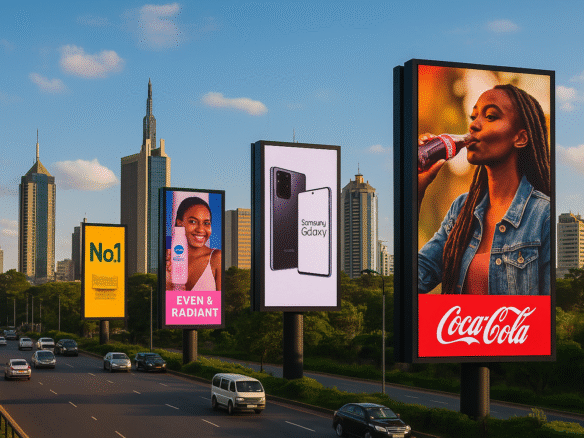
Outdoor marketing in Nairobi remains one of the most powerful ways for brands to reach large, diverse audiences. With busy highways, growing urban neighborhoods, and thousands of commuters daily, the potential is huge—if your campaign is done well. This post shares best practices for advertising outdoors in Nairobi, aimed especially at Kenyan advertisers looking to increase visibility, ROI, and local relevance. We’ll also link to leading billboard platforms like KenyaBillboards.com and others so you can see real examples or partners to work with.
Table of Contents
- What Outdoor Marketing Means in Nairobi
- Why Outdoor (“OOH”) Advertising Still Works
- Key Best Practices for Outdoor Marketing
- Choosing the Right Location
- Design & Messaging Tips
- Legal & Regulatory Considerations
- Digital and Traditional Hybrid Strategies
- Measuring Success & ROI
- Examples of Outdoor Advertising Leaders in Kenya
- How to Work with KenyaBillboards.com & Other Platforms
- Conclusion
What Outdoor Marketing Means in Nairobi
Outdoor marketing, also called Out-of-Home (OOH) advertising, includes static billboards, digital billboards, posters, transit ads (on matatus, buses), signage on poles, wall wraps, street furniture, etc. In Nairobi, this also means thinking about things like foot traffic, vehicular density, visibility during day and night, and neighborhood demographics.
Why Outdoor (“OOH”) Advertising Still Works in Nairobi
- High Reach & Repeated Exposure: Thousands of vehicles and pedestrians pass through Nairobi’s arterial roads daily. A well-placed billboard gets seen many times.
- Cost-effectiveness per impression: Compared with certain digital channels, a static billboard in a busy location can yield high visibility with lower recurring costs.
- Visibility 24/7: Outdoor ads don’t need someone to click or turn on a screen. If illuminated or placed smartly, they work even at night.
- Local Credibility: Being visible in your community or along routes your customers travel builds trust and recognition.
- Hybrid for Amplification: Outdoor marketing complements digital, social media and radio; together they reinforce brand recall.
Key Best Practices for Outdoor Marketing
Here are evidence-based, practical guidelines for successful outdoor campaigns in Nairobi.
Choosing the Right Location
- Traffic & Visibility: Prioritize high-vehicle traffic roads (e.g., Waiyaki Way, Mombasa Road, Langata Road), busy intersections, highways, and areas with slowed or congested traffic. Drivers stuck in traffic see billboards longer.
- Pedestrian Density: Near malls, markets, public transport hubs, pedestrian crossings—people walking or waiting tend to engage more.
- Sightlines and Obstruction: Ensure the billboard isn’t blocked by trees, buildings, or wires. Also think about setting height and angle so it’s visible without causing safety issues.
- Proximity to Your Target: If your customers are concentrated in Westlands, Eastlands, or South C or neighborhoods like Karen, pick spots they travel daily. Localization yields better returns.
- Illumination & Night Visibility: If you expect to reach audiences after dark, use lighting (backlit, LED) so visibility remains strong.
Design & Messaging Tips
- Clear, Concise Messaging: Viewers typically have seconds to absorb what’s on a billboard. Use minimal words; bold fonts; high contrast; simple imagery.
- Strong Visuals: Use images / icons that communicate instantly. Avoid complicated or cluttered designs. Brand logo, contact info, and key message should be visible and legible.
- Color & Contrast: In Nairobi’s mix of dusty roads, varied lighting, sunlight, shadows – color choices matter. Bright colors that pop against background, high contrast, reflective or illuminated surfaces help.
- Brand Consistency: Your outdoor ads should match your digital and other touch points (website, social media) so people recognize your brand across channels.
- Localization of Culture: Use language, slang, imagery, or references that resonate locally (while staying professional). In some cases inclusion of Kiswahili, local cultural symbols, or landmarks helps.
Legal & Regulatory Considerations
- Permits & Licensing: You’ll need approval from Nairobi City County for signage and billboards. Process may include submitting designs, sizes, materials. Noncompliance can lead to removal or fines.
- Zoning Regulations: Certain areas may restrict types of billboards (size, illumination, placement). Always check with local planning departments.
- Safety Standards: Ensure structures adhere to safety, especially for large hoardings. Signage should not obstruct driver views or violate setback distances.
- Content Regulations & Ethical Advertising: Avoid misleading claims, offensive content. Comply with advertising standards bodies and local norms.
- Maintenance & Environmental Impact: Outdoor billboards need upkeep. Faded, damaged, dirty ads hurt brand reputation. Also consider environmental responsibility (materials, energy usage for lighting, etc.).
Digital and Traditional Hybrid Strategies
- Use Digital Billboards & DOOH: Programs that allow video, dynamic content can help if you want seasonal, time-sensitive or changing messages. Companies like Magnate Ventures have outdoor digital and iconic backlit billboards. (magnate-ventures.com)
- Transit & Mobile Advertising: Wrap buses, matatus, or use vehicle branding. This gives moving exposure across Nairobi. Some companies in Kenya use these methods effectively. (designhubconsult.com)
- Interactive / Experiential Elements: QR codes, proximity prompts (e.g. “look up, scan this”) or social media tie-ins so people can engage further via mobile after seeing the ad.
- Integration with Digital Marketing: Use outdoor campaigns to feed into online campaigns. For instance, take high-impact visuals from billboard into social media, amplify via online video, tie in geo-targeted ads in the same region where your billboards are placed.
Measuring Success & ROI
- Define Clear KPIs Upfront: What is the goal? Brand awareness, footfall in store, lead generation, direct sales, app downloads? Measure accordingly.
- Traffic and Exposure Metrics: Use estimates of daily vehicle & pedestrian traffic for locations, visibility scores, dwell time (how long viewable). Some billboard companies provide that data.
- Tracking Methods: Surveys (“Where did you hear about us?”), promo codes printed only on the billboard, short URLs, phone numbers specific to that campaign.
- Observe Sales Trends & Customer Behavior: Compare periods before, during, and after billboard campaign; track whether store visits or online searches increase.
- Maintenance & Refreshing: Over time, wear, fading, or whether the design gets stale will reduce effectiveness. Refresh visuals or rotate creatives.
Examples of Outdoor Advertising Leaders in Kenya
- Magnate Ventures: Offers regular and iconic billboards, backlit billboards, digital screens, bus shelters, street light boxes, wall wraps, etc. (magnate-ventures.com)
- Alliance Media Kenya: Provides airport advertising, giant static and digital billboards in high-visibility locations. (alliancemedia.com)
- LookMedia: Static, LED, backlit and large format billboards giving strong brand presence. (lookmedia.co.ke)
- DBtizement: Known for iconic outdoor sites across major Kenyan cities, including large formats and digital billboards in premium locations. (dbtizement.com)
- Sign Ventures: Specialised signage, vehicle branding, street pole and exterior signage options. (signventures.co.ke)
How to Work with KenyaBillboards.com & Other Platforms
KenyaBillboards.com is an online platform that lists prime billboard locations across Kenya.
- Search for billboard space by area, type, size, traffic exposure.
- List your own wall, rooftop, or structure if you own property in high-traffic zones.
- Compare rates and availability before negotiating with providers.
When choosing platforms:
- Look for transparent pricing structures.
- Understand contracts regarding duration, maintenance, and installation.
- Ask about audience or traffic data for informed decision-making.
Conclusion
Outdoor marketing in Nairobi offers huge potential—but only for advertisers who plan carefully. Choose the right locations, design smart creatives, obey regulations, integrate digital tools, and measure results. Platforms like KenyaBillboards.com make the process easier by connecting advertisers to premium outdoor space.


Join The Discussion