
 by
by 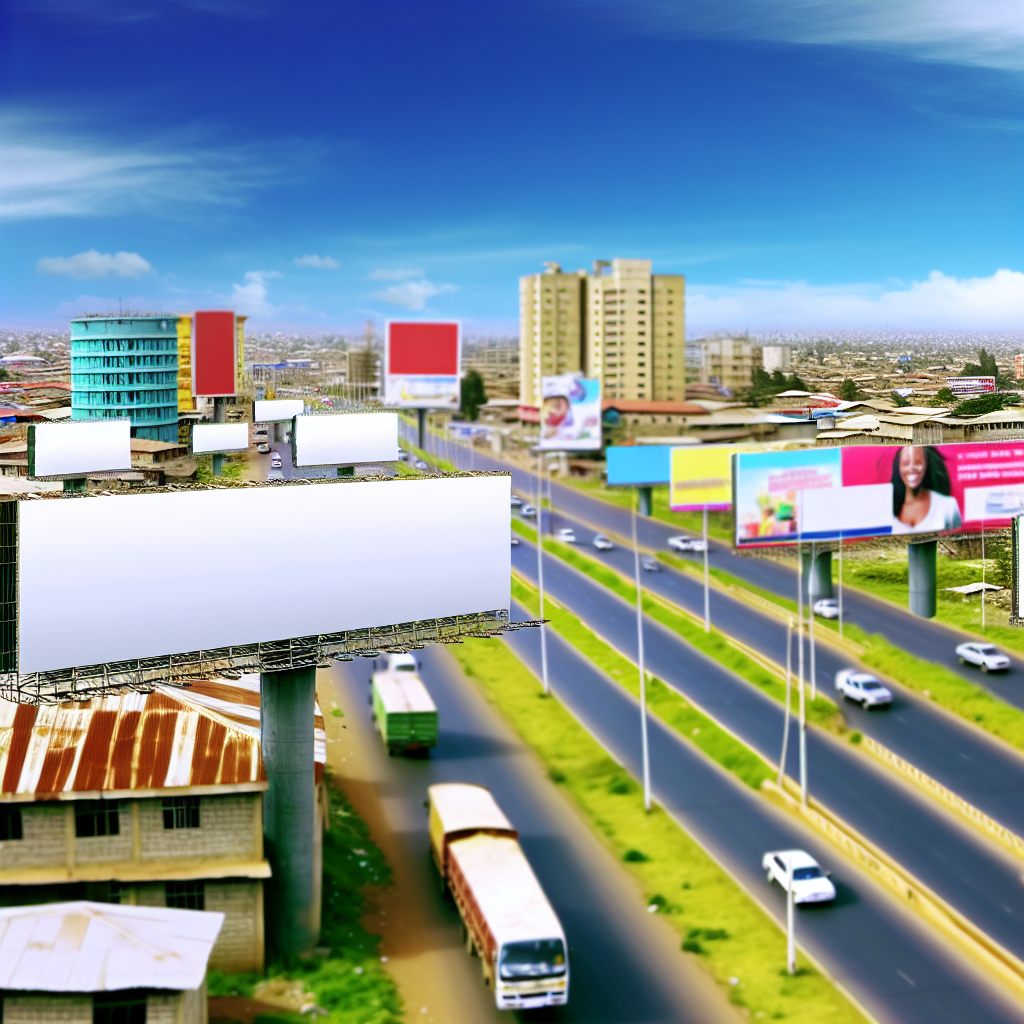
In Kenya’s vibrant marketing landscape, outdoor advertising continues to be a driving force for brand visibility and consumer engagement. As businesses compete for attention in urban environments like Nairobi, Mombasa, and Kisumu, understanding the logistics behind billboard installation is crucial. From securing a booking to going live with a captivating advertisement, the timeline can vary significantly. This article delves into the intricacies of this process and provides insights tailored for advertisers, brands, and property owners looking to leverage Kenya’s advertising potential.
The Importance of Billboard Advertising in Kenya
In recent years, Kenya has witnessed remarkable growth in outdoor marketing strategies. Billboards and other forms of OOH media have become vital components of advertising ecosystems, particularly in bustling cities. A well-placed billboard can dramatically enhance brand visibility, driving consumer engagement and enhancing the overall marketing strategy. Understanding the logistics of billboard installation—timeframes, necessary approvals, and installation processes—is crucial for brands aiming to harness this medium effectively.
Why Timing Matters in OOH Advertising
The timeline from booking to going live with an advertisement can significantly impact marketing campaigns. Delays in installation may result in missed marketing opportunities or diluted brand presence during crucial times. Brands should be prepared to navigate the nuances of Kenyan regulations and logistics to ensure their campaigns launch seamlessly.
Initial Booking: What to Expect
After deciding to invest in Kenya billboard advertising, the first step is securing the booking. This process typically involves choosing the billboard’s location, size, and type (traditional or digital advertisement).
Assessing Locations
High-traffic areas, such as major highways and Nairobi’s central business district, offer robust exposure but may require more time to finalize due to high demand. For instance, a billboard along Uhuru Highway or in the bustling Westlands area may take longer to book than those located in less busy districts.
Contracts and Approvals
After selecting a location, brands must sign a contract that outlines the duration, costs, and specific conditions for the advertisement. In Kenya, securing local government approvals may also be necessary, especially in urban areas where regulations regarding billboard placement are strict.
The Approval Process
In cities like Mombasa, Kisumu, and Nakuru, local councils may have different bureaucratic requirements. It is essential to engage a reliable outdoor advertising agency with local expertise to expedite this process.
Designing Your Billboard: A Time-Consuming Step
Once the booking is confirmed, the design phase begins. This step is vital in ensuring that the advertisement captures attention effectively.
Engaging Creative Teams
Collaboration with creative agencies can lead to high-impact designs. However, this can add to the timeline. Brands should factor in the time required for concept development, revisions, and final approvals. In the fast-paced environments of Nairobi’s marketing scene, it might take anywhere from one to three weeks to finalize the design.
Compliance and Guidelines
Moreover, adhering to the Kenyan Advertising Standards is essential. Each billboard design should follow specific guidelines set by the Advertising Standards Board of Kenya. Non-compliance can lead to further delays, underscoring the importance of working alongside experienced professionals.
Installation Logistics: From Ground to Glory
Once all approvals are secured and designs finalized, the actual physical installation can commence. This stage is critical as it involves various logistical considerations.
Scheduling the Installation
Outdoor advertising companies typically require a lead time of about one to two weeks for installation, depending on the billboard’s complexity and size. Digital billboards, for example, may take longer due to their technological components.
Transport and Equipment
Transporting equipment, cranes, and materials to the installation site adds another layer of complexity. For example, installing a massive billboard in Nairobi’s congested roads requires meticulous planning to avoid traffic disruptions.
Installation Procedures
The installation itself involves several steps, including site preparation, structural setup, and final touches like lighting for night visibility. This process is critical, especially for brands aiming to launch during peak seasons, such as holidays or major events.
Real-World Example: Nairobi Launch
For instance, a prominent Kenyan beverage brand once had to delay its launch due to installation issues at a key location in Nairobi. They learned a valuable lesson about the necessity of meticulous planning and scheduling to align with broader marketing objectives.
Going Live: The Final Countdown
After the installation is complete, the next step is to go live with the advertisement. However, various considerations must be addressed during this phase.
Testing the Installation
Before officially launching, test drives and visual assessments are crucial. Brands should ensure that the lighting is effective, and the advertisement is visible from various angles. This testing phase can take a day or two, but it ensures that the advertisement captures audience attention effectively.
Marking the Launch
Once everything is set, brands can announce their launch across various platforms, maximizing the impact with coordinated social media campaigns. This strategy amplifies brand visibility while generating buzz around the new advertisement.
Challenges and Considerations
While the process appears straightforward, several challenges may arise that can affect the timeline.
Regulatory Delays
As mentioned, navigating local regulations can prove to be time-consuming. Additional approvals from various bodies may be needed, particularly for large billboards in high-traffic areas. This uncertainty can lead to extended timelines, making advanced planning crucial.
Weather and Timing
Inclement weather can also affect installation schedules significantly. In regions like coastal Mombasa, for example, monsoon weather can postpone outdoor activities, including billboard installations.
Fiscal Responsibility
Budget constraints can also affect how quickly a campaign can go live. Budgeting for unexpected costs, such as regulatory fees or design alterations, can help brands stay on track.
Key Takeaways for Advertisers
Understanding the logistics of billboard installation is integral to a successful advertising campaign in Kenya. Here are some essential insights:
- Early Booking: Secure your billboard at least a month in advance to navigate potential regulatory hurdles and design processes smoothly.
- Expert Collaboration: Partner with local advertising experts who understand the nuances of the Kenyan market, budgetary considerations, and regulatory requirements.
- Flexible Planning: Be ready to adjust your timelines based on local conditions, including weather, political events, and community gatherings that could impact visibility.
- Holistic Marketing Approach: Integrate your outdoor advertising with digital marketing strategies to enhance overall campaign effectiveness and consumer engagement.
By acutely understanding the logistics involved in billboard advertising, brands can position themselves ahead of their competition, maximizing their outreach potential in Kenya’s thriving market landscape. As the advertising trends in Kenya continue to evolve, adapting to these logistics will be crucial for sustained business growth and brand visibility.

Join The Discussion