
 by
by 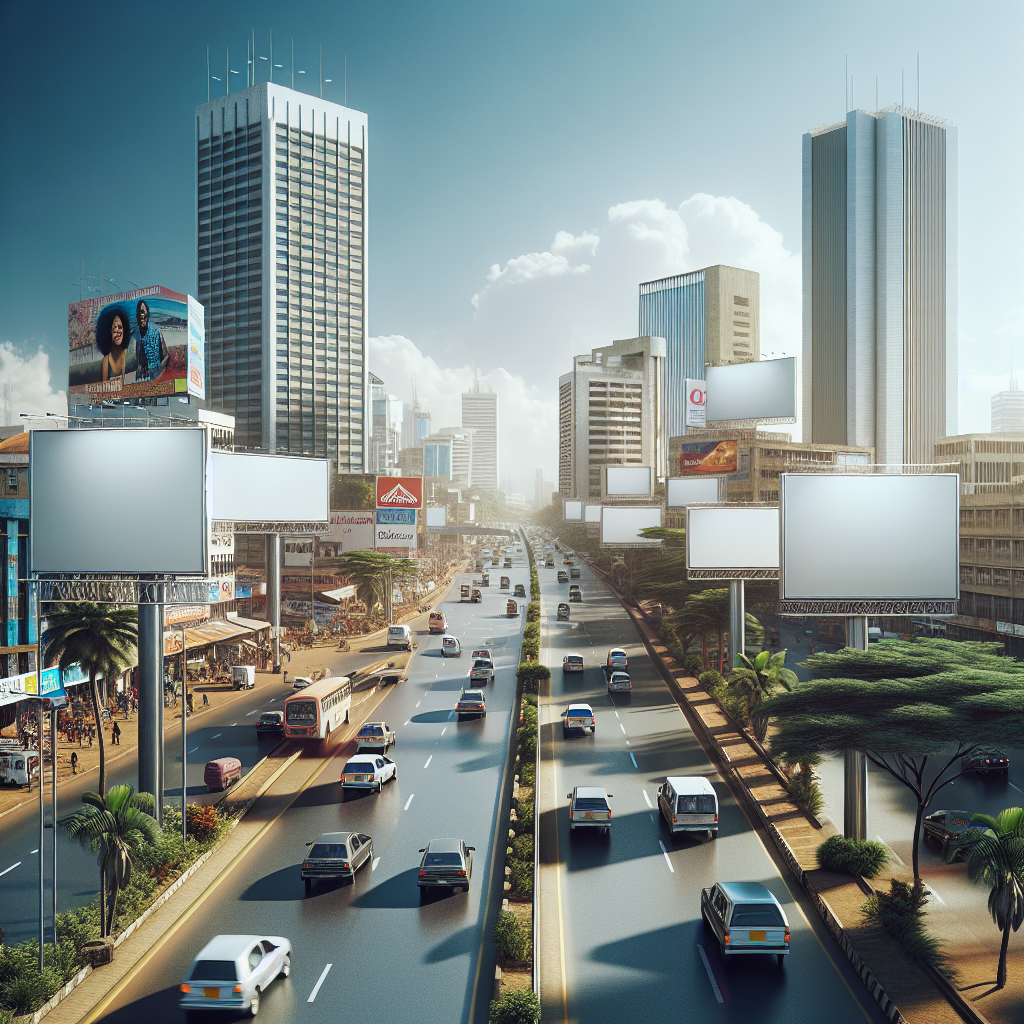
In the vibrant landscape of Kenya’s marketing ecosystem, outdoor advertising remains a cornerstone for brand visibility, influencing consumer behavior and driving sales. With the rapid evolution of technology, particularly in augmented reality (AR), marketers and advertisers are continually seeking innovative ways to engage their audiences. As businesses in Nairobi, Mombasa, Kisumu, and Nakuru look to the future, it begs the question: Is Kenya ready to blend augmented reality with traditional billboard advertising?
Understanding the Current State of Billboard Advertising in Kenya
The Dominance of Outdoor Marketing
Kenya’s advertising space has seen remarkable growth in recent years, driven by an expanding urban population and increasing access to digital technologies. Outdoor marketing in Kenya, particularly through billboards, has become a critical strategy for businesses looking to foster brand awareness. According to various industry reports, billboard advertising remains one of the most potent forms of OOH media, often achieving higher engagement rates than traditional forms of media.
The Appeal of Billboards
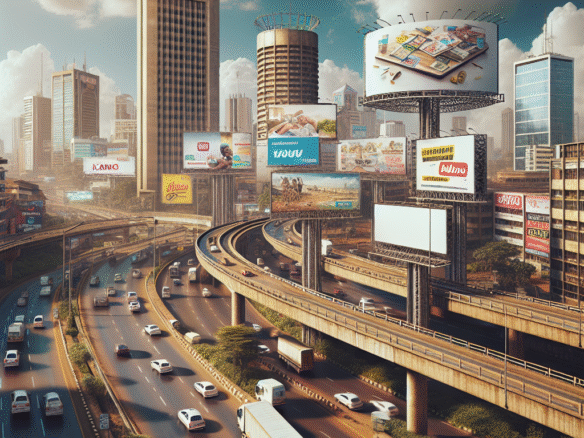
In bustling cities like Nairobi, Mombasa, and Kisumu, billboards play a vital role in everyday life. With a variety of sizes and placements, advertisers can capture the attention of commuters and pedestrians alike. The emotional and visual impact of billboard ads offers an effective way to communicate a brand’s message at scale. In a nation where digital penetration is increasing but still not ubiquitous, outdoor marketing remains a primary vehicle for outreach.
The Rise of Augmented Reality in Advertising
What is Augmented Reality?
Augmented reality enhances the real world by overlaying digital information—think visuals, sounds, and GPS data—onto our physical environment. This merging of digital and physical experiences opens up a world of possibilities for marketers looking to create more immersive and engaging advertisements.
Global Trends in AR Advertising
Globally, brands have begun to leverage AR technology to foster deeper connections with consumers. For instance, companies like Pepsi and IKEA have successfully integrated AR into their advertising strategies, allowing consumers to interact with products before purchase. The question arises: can these same strategies be adapted for the Kenyan market?
Exploring Opportunities: How Billboards Can Utilize AR
Engaging and Interactive Experiences
Integrating AR with billboards could redefine outdoor marketing strategies in Kenya. Imagine a consumer pointing their smartphone at a billboard and being transported into a virtual world showcasing product features or promotional offers. Such engagements can significantly enhance the audience’s experience, leaving a memorable impression that drives conversion.
Case Studies: Local Examples
Consider a popular Kenyan beverage brand launching a new soft drink. An AR-enabled billboard could allow consumers to scan the advertisement to unlock an interactive game or a virtual tasting session, creating buzz around the product and encouraging social sharing. This novel approach can be particularly effective in cities with a youthful demographic, like Nairobi, where tech-savvy consumers are eager for interactive experiences.
The Challenges and Considerations for Kenyan Brands
Infrastructure Readiness
Despite the clear benefits, implementing AR for billboard advertising presents challenges. Kenya’s digital infrastructure, while improving, still faces issues like inconsistent internet connectivity in rural areas. Moreover, the costs associated with AR technology could deter many small businesses from adopting such strategies. However, local examples of success, such as mobile banking applications and e-commerce, show a trajectory of growth that shouldn’t be overlooked.
Target Audience Education
Introducing augmented reality in advertising also requires educating the audience. Brands must ensure that their target demographic is familiar with how to access AR features. This speaks to the importance of not just creating an engaging AR experience but also accompanying it with clear instructions so that it can be maximally utilized.
Marketing Strategies for Adopting AR in Billboards
Strategic Partnerships
Brands considering the integration of AR should explore partnerships with local tech firms specializing in AR development. These collaborations can help bridge the knowledge gap and optimize the design and execution of AR campaigns, making them more effective.
Pilot Programs
Instead of a city-wide rollout, starting with pilot programs can provide valuable insights. Select locations in Kenya that attract heavy foot and vehicle traffic, such as Westlands in Nairobi or the Nyali area in Mombasa, could serve as testing grounds for AR-enabled billboards. The feedback and performance from these campaigns will guide further investments.
Key Takeaways for Advertisers and Brands
Focus on Audience Engagement
With the increasing competition for consumer attention, brands must prioritize creating engaging and memorable experiences. AR has the potential to do just that, offering dynamic interactions that traditional billboards cannot provide.
Leverage Local Culture
Understanding local culture is key. Incorporating elements of Kenyan culture into AR campaigns can create relatability and enhance consumer engagement. For instance, using known local landmarks in AR experiences can create a sense of community and pride while effectively promoting the brand.
Track Campaign Performance
As with any marketing strategy, it’s vital to measure the impact of AR billboard campaigns. Utilizing analytics tools to track engagement rates, social shares, and conversions can help gauge the effectiveness of these new strategies and inform future decisions.
Preparing for the Future: Are Kenyans Ready?
The Future of Advertising
As Kenya’s marketing landscape continues to evolve, the integration of augmented reality into billboard advertising seems not just plausible but potentially transformative. While challenges persist, the combination of a young, tech-savvy population and growing infrastructure can create fertile ground for innovative marketing strategies.
Embracing Digital Transformations
To harness the full potential of AR in outdoor advertising, brands need to embrace digital transformations actively. This means not only upgrading their technology but also adapting their marketing strategies to the changing consumer landscape.
Final Insights on Market Growth
As the advertising trends in Kenya shift towards a more integrated digital landscape, embracing technologies like AR will be crucial for brands looking to stay ahead. The key will be to balance innovation with accessibility, ensuring that all audiences can participate in and benefit from these advancements.
In conclusion, as Kenyan marketers and brands weigh the potential of augmented reality in the billboard advertising space, they will need to adopt innovative strategies that engage consumers, foster learning, and embrace local cultural nuances. With the right approach, AR combined with traditional billboard advertising could mark the dawn of a new era in Kenyan marketing.


Join The Discussion