
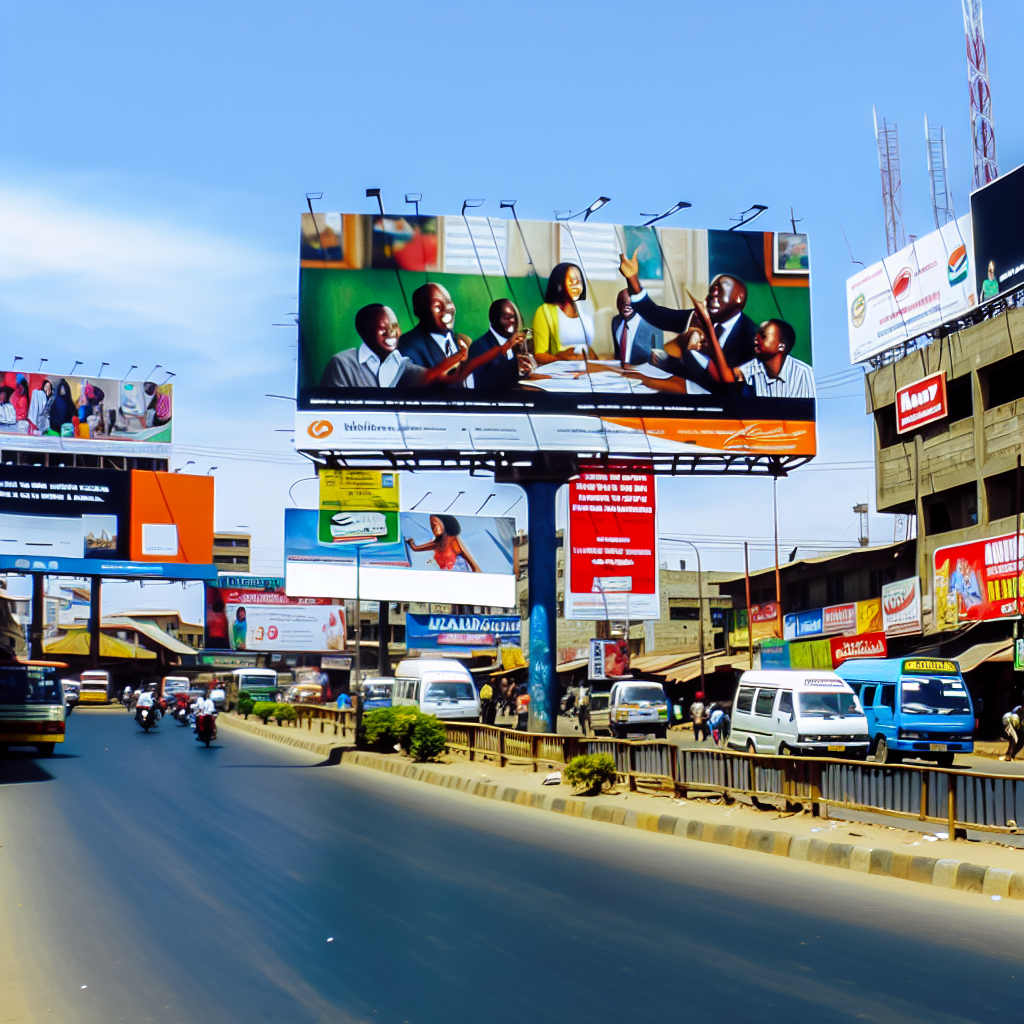
In the vibrant landscape of Kenya’s marketing ecosystem, the need for innovative and effective advertising strategies has never been more crucial. With a rapidly urbanizing population, businesses are vying for attention in a competitive marketplace. In this context, combining billboard advertising with transit advertising emerges as a potent strategy for increasing brand visibility and connecting with consumers. This article delves into the synergy between these two powerful outdoor advertising forms, their relevance to marketers, and actionable insights for maximizing their impact in Kenyan cities like Nairobi, Mombasa, Kisumu, and Nakuru.
The Growing Importance of Outdoor Advertising in Kenya
Outdoor advertising has witnessed remarkable growth in Kenya over the past decade. The rise in urbanization, coupled with the increased availability of outdoor media options, has positioned outdoor advertising as a critical component of the marketing mix.
Why Choose Outdoor Advertising?
Kenya’s bustling urban centers are teeming with potential. The statistics are telling: according to recent reports, approximately 60% of the Kenyan population lives in urban areas, and this number is projected to rise. Such demographics present advertisers with a unique opportunity to implement impactful outdoor marketing strategies.
Billboards, particularly in high-traffic areas, have proven effective in capturing the attention of both pedestrians and motorists. These static and dynamic displays not only promote brand visibility but also foster recall, making them a vital channel for businesses aiming to make a lasting impression.
Exploring the Synergy Between Billboards and Transit Advertising
Combining billboards with transit advertising offers businesses a multifaceted approach to enhancing their marketing efforts. Transit advertising involves placing promotional material on vehicles such as buses, taxis, and matatus, which are ubiquitous in Kenya.
The High Visibility of Transit Advertising
In cities like Nairobi and Mombasa, matatus are more than just public transport; they are mobile billboards. The vibrant colors, catchy slogans, and creative designs grab attention, making them a unique advertising vehicle. Transit advertising provides brands with the advantage of engaging potential customers repeatedly as these vehicles navigate through densely populated neighborhoods.
Real-World Example: Nairobi’s Matatu Culture
Take, for instance, the famous “Matatu 2N”. This creatively branded matatu not only showcases entertaining designs but also promotes local events and businesses. The vehicle travels through busy routes, ensuring that thousands of people see its branding each day—a prime example of leveraging transit advertising effectively.
Enhancing Brand Visibility through Strategic Locations
Combining billboards with transit advertising allows marketers to reach audiences at various touchpoints throughout the consumer journey. By strategically placing billboards along popular transit routes or in areas with high levels of foot traffic, brands can create an omnipresent marketing landscape.
For example, billboard advertising near major bus stations in Nairobi, like the Westlands or Kencom, allows businesses to capture the attention of commuters while they wait for or exit public transport.
Key Benefits of Integrating Billboards and Transit Advertising
Increased Return on Investment (ROI)
Integrating billboards with transit advertising can lead to increased ROI. Brands can create cohesive marketing campaigns that resonate with consumers across different platforms, maximizing their advertising dollars.
Targeting Diverse Audiences
Kenya is home to a diverse population, each with unique preferences and consumption habits. By utilizing both billboards and transit advertising, brands can tailor their messages to appeal to different demographic groups. For example, a tech company targeting young adults might feature eye-catching ads on Nairobi billboards while leveraging popular matatus to reach college students.
Cost-Effectiveness for Small Businesses
For small businesses, advertising can often feel like an uphill battle against established brands. However, outdoor marketing offers a cost-effective way to enhance visibility. Digital advertising in Kenya has made it easier for small businesses to adapt their messages quickly and capitalize on current trends.
Integrating digital billboards that display ads for both local businesses and transit advertising can significantly elevate a small brand’s presence in the market.
Advertising Trends in Kenya: What to Watch For
As the marketing landscape evolves, several key trends are shaping the future of outdoor advertising in Kenya.
The Rise of Digital Billboards
Digital billboards have taken the Kenyan market by storm. Offering flexibility and dynamic content, these platforms allow brands to update their messages in real-time. Advertisers can run time-sensitive promotions or adapt to seasonal trends instantly.
Case Study: Digital Billboards in Nairobi
Nairobi’s central business district has witnessed a surge in the use of digital billboards. Brands like Safaricom and KCB Bank have successfully utilized this medium to showcase promotions, making essential updates quickly and effectively. Marketers should consider leveraging this trend for real-time engagement with their target audiences.
Mobile and Interactive Advertising
The rise of smartphone usage in Kenya has opened new avenues for outdoor marketing. Brands are adopting interactive elements—QR codes or NFC (Near Field Communication) technology—on billboards and transit vehicles, encouraging potential customers to engage directly from their mobile devices.
Sustainability in Advertising
An increasing number of businesses are implementing eco-friendly practices in their advertising. This trend is particularly relevant in Kenya, where consumers are becoming more conscious of environmental issues. Advertisers can utilize sustainable materials for billboards and transit advertising, showcasing their commitment to eco-friendliness—a value that resonates with modern consumers.
Marketing Tips for Brands in Kenya
Multi-Channel Approach
To maximize effectiveness, brands should adopt a multi-channel approach that combines digital, outdoor, and transit advertising. This ensures consistent messaging and potentially increases consumer touchpoints.
Localization of Content
Understanding the cultural nuances of different regions in Kenya is crucial. Advertisements should resonate with local audiences. For instance, creatives targeting Mombasa’s coastal community might focus on tourism and hospitality, while those in Nakuru can highlight agricultural products and services.
Seasonal Campaign Planning
Kenya hosts a variety of events and holidays that can be leveraged for marketing campaigns. Brands should align their advertising schedules with these milestones to increase relevance and engagement.
Utilize Data Analytics
Employing data analytics tools can help marketers assess the effectiveness of their billboard and transit advertising campaigns. Metrics such as audience engagement and conversion rates allow businesses to refine their strategies, optimizing future spend.
In today’s fast-paced urban environment, the combination of billboard advertising with transit marketing strategies offers a multitude of pathways for brands to enhance visibility and engage consumers. By embracing these trends and implementing actionable strategies, advertisers in Kenya can position themselves favorably within this dynamic landscape. Whether you’re a property owner looking to lease billboard space or a brand eager to make your mark, this dual approach not only amplifies reach but elevates the marketing conversation across Kenya’s bustling cities.



Join The Discussion