

In recent years, Kenya has emerged as a vibrant hub for business and marketing growth, drawing attention from both local and international investors. As we dive into 2025, understanding the marketing trends that shape this dynamic landscape is vital for businesses aiming for expansion. From the bustling streets of Nairobi to the coastal beauty of Mombasa, outdoor advertising is more than just a trend; it’s a pivotal strategy for enhancing brand visibility and increasing customer engagement. This article explores the latest marketing trends driving business expansion in Kenya, particularly through billboard and out-of-home (OOH) strategies.
The Rise of Outdoor Advertising in Kenya
Why Outdoor Advertising Matters
Outdoor marketing in Kenya has gained traction due to its ability to reach a diverse audience. Kenyan consumers are increasingly mobile, frequenting urban areas and leisure spots. Billboards and other OOH media provide brands with an opportunity to capture attention in high-traffic locations.
In 2025, this trend has only intensified. Billboards are not static anymore; they’re dynamic, engaging, and capable of delivering interactive experiences. This recent evolution stems from increasing competition among businesses, pushing brands to find innovative ways to connect with their customers.
Nairobi: The Epicenter of Billboard Advertising
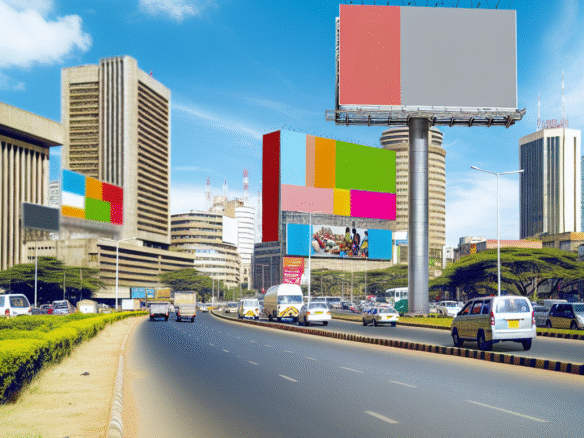
Nairobi, the capital city, hosts some of the largest and most impactful billboards in the country. Areas such as Westlands and Uhuru Highway are notable for their premium advertising spaces. For instance, the strategic placement of billboards near major shopping malls, educational institutions, and business districts maximizes visibility.
The success of various brands in Nairobi reflects the effectiveness of their outdoor advertising strategies. Whether it’s a beverage company announcing a new flavor or a tech firm showcasing their latest gadgets, the impact of their campaigns can be seen in increased foot traffic and sales conversions.
Understanding the Digital Shift
The Integration of Digital Advertising in Kenya
With internet penetration rising rapidly, Kenya has seen a significant shift towards digital advertising. In 2025, brands are increasingly blending traditional billboard marketing with digital innovation. This synergy not only captures the attention of passersby but also enhances engagement through QR codes and interactive displays.
Digital billboards in areas like Sarit Centre and Prestige Cinema in Nairobi provide real-time updates, allowing brands to keep their messages fresh. Adapting this model creates a more dynamic advertising experience that resonates with a tech-savvy audience.
Case Study: The Digital Billboard Revolution
One striking example is the collaboration between local companies and digital advertising platforms. A local beverage brand launched a campaign that combined large digital billboards in Nairobi with live social media feeds. The live content displayed user-generated posts and tagged the brand, significantly increasing engagement and customer interaction. This innovative approach generated a buzz across social platforms, showcasing the dual benefits of outdoor and digital marketing.
Sustainability and Ethical Considerations
Embracing Eco-Friendly Marketing Solutions
As more consumers demand sustainable practices, eco-friendly advertising has become an integral trend in Kenya. Brands are opting for greener advertising solutions, such as solar-powered billboards and biodegradable materials for printed advertisements. This shift is not only attractive to eco-conscious consumers but also aligns with the global move towards sustainability.
Companies harnessing these practices elevate their brand image and build trust with their audience. For example, a local fashion brand in Kisumu recently adopted biodegradable banners for its promotional campaigns, receiving positive feedback from environmentally-aware consumers.
The Importance of Data-Driven Marketing
Leveraging Analytics for Strategic Decisions
Data-driven marketing is altering the landscape of advertising in Kenya. With access to analytics tools, brands can track the effectiveness of their campaigns in real time. The understanding gained from data analysis allows marketers to refine their strategies and target their audiences more effectively.
In cities like Nakuru, where the local consumer behavior presents unique challenges, leveraging demographic data ensures that campaigns resonate. For example, a local restaurant chain utilizes customer location data and preferences to tailor their billboard advertisements based on the neighborhoods with the highest foot traffic.
Feedback Loops: Listening to Consumers
Engaging in two-way communication with customers is vital for effective marketing. Businesses are now employing feedback loops through social media and customer surveys. These insights inform billboard messaging and promotional strategies, ensuring a deeper connection with their audience.
The Role of Experiential Marketing
Creating Memorable Brand Experiences
Experiential marketing offers brands the chance to create immersive experiences that captivate audiences. In 2025, this trend is increasingly spilling into outdoor advertising. So, how can experiential marketing enhance brand visibility?
In Nairobi’s central business district, brands are organizing pop-up events alongside their billboards. These activations invite consumers to engage with products in a tangible manner, forging memorable connections. For instance, a local coffee brand hosted a tasting event near its billboard, inviting passersby to sample new brews and interact with staff – a strategy that resulted in increased foot traffic and sales.
Tailoring Content for Local Markets
Understanding Regional Nuances in Marketing
Kenya’s diverse culture and regional differences necessitate tailored marketing efforts. It’s essential for brands to tailor their messages to meet the needs of specific local markets. This local approach can significantly boost engagement.
For instance, in Mombasa, a travel agency might highlight coastal tourism through focused billboard campaigns that resonate with both locals and tourists. By utilizing Kiswahili and incorporating cultural elements, brands effectively connect with their audience, fostering loyalty and brand recognition.
Key Takeaways for Advertisers and Brands
Actionable Marketing Insights
-
Invest in High-Traffic Locations: Prioritize locations in urban centers such as Nairobi, Mombasa, and Kisumu for maximum visibility.
-
Embrace Digital Innovations: Incorporate digital technology into traditional billboard strategies to enhance engagement and real-time updates.
-
Focus on Sustainability: Adopt eco-friendly advertising materials to align with consumer expectations for sustainable practices.
-
Utilize Data Analytics: Leverage analytics to guide advertising strategies and refine target audiences for more effective campaigns.
-
Create Experiential Opportunities: Organize events or activations that allow consumers to interact with your brand, enhancing retention and recognition.
-
Tailor Content to Local Markets: Customize advertising messages to fit local cultural and demographic nuances for a more profound connection.
As we approach 2025, the marketing landscape in Kenya is pulsating with opportunities for businesses ready to embrace innovation. Companies that not only adapt to these changes but also anticipate emerging trends will seize a competitive edge, driving expansion and success in this diverse market. By harnessing the power of OOH media, businesses can elevate their brand visibility and establish lasting connections with their audience. The future is bright for those who dare to embrace these marketing trends!



Join The Discussion