
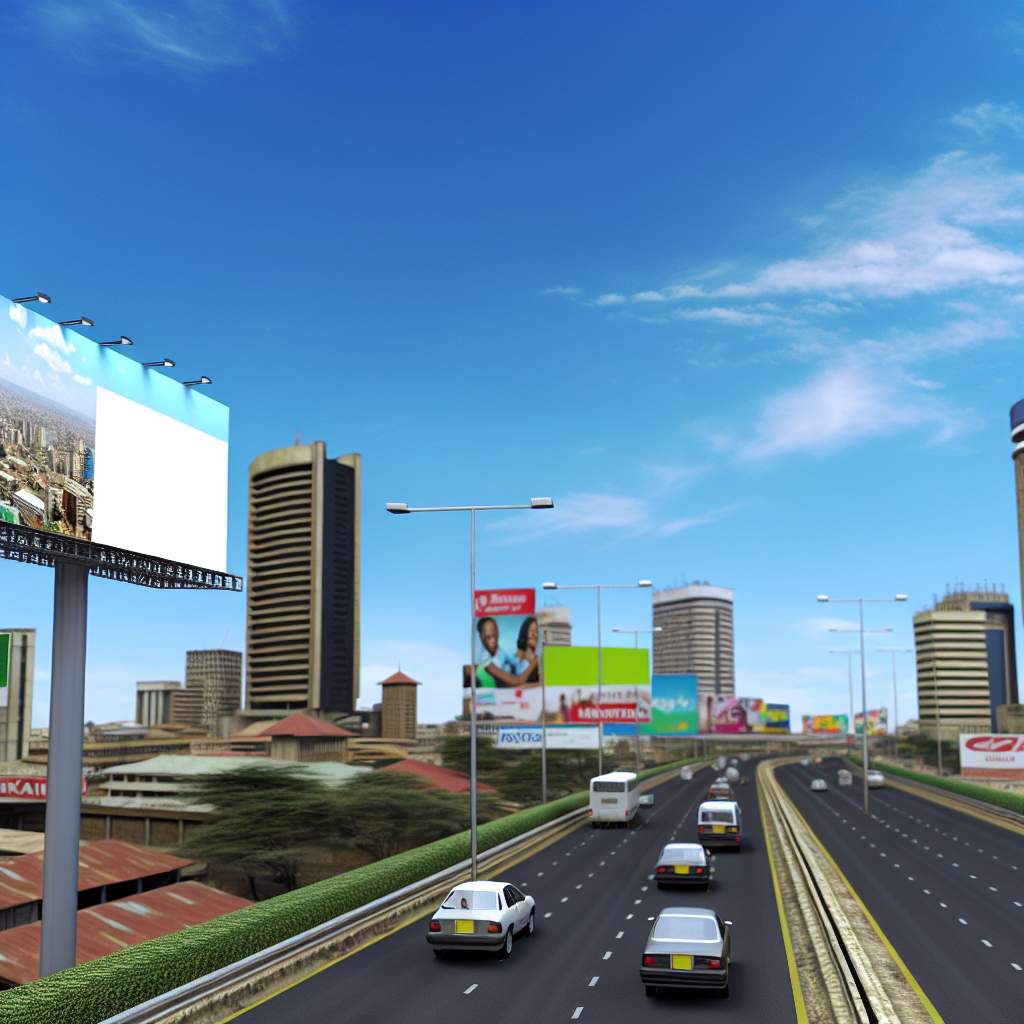
Outdoor media in Kenya has undergone a major transformation over the last several decades. What began as simple static billboards has grown into a dynamic, data-driven industry powered by digital technology, urban expansion, and evolving consumer behaviour. Understanding how this evolution happened — and where it’s heading — is essential for advertisers, brands, and property owners looking to maximize visibility in Kenya’s competitive market.
This in-depth guide explores the origins of outdoor media in Kenya, the current landscape, the key players, technological advancements, and the future innovations that will shape advertising across the country.
The Early Days – Outdoor Media in Kenya (Past)
Static Billboards and Traditional Formats
In the early years, outdoor advertising in Kenya relied heavily on large printed billboards placed along major roads and intersections. These static boards were the primary way brands promoted products to motorists, pedestrians, and urban commuters. They served industries such as FMCG, telecommunications, and automotive, which relied heavily on mass visibility.
Static boards were effective, but they lacked flexibility. With limited options for message changes, advertisers needed longer, multi-month campaigns to justify production and installation costs.
Industry sources describe static billboards as “the best-known and most successful form of advertising” in Kenya during this early era, dominating urban and highway landscapes.
Growth of Out-of-Home (OOH) Inventory
As cities such as Nairobi, Mombasa, Kisumu, and Nakuru expanded, outdoor media companies began investing in more sites across highways, bus terminals, market centres, and commercial zones.
Providers like BMA OoH Advertising note that they strategically developed large-format sites in high-traffic areas, giving national brands greater ability to reach mass audiences.
Challenges of the Early Outdoor Market
-
Regulatory hurdles often caused delays in billboard approvals and installations.
-
Limited measurement meant advertisers had little visibility into impressions or conversion impact.
-
One-size-fits-all formats restricted creativity and message adaptability.
-
Cluttered sites reduced the effectiveness of individual boards as more advertisers competed for visibility.
The Present Landscape – Outdoor Media in Kenya Today
Digital Out-of-Home (DOOH) and Technology Integration
The biggest shift in Kenya’s outdoor media industry has been the rise of digital signage. Digital Out-of-Home (DOOH) formats — including LED billboards, mall screens, airport displays, and programmatically-driven systems — are now dominating premium locations in cities.
Companies such as Neo Media Ltd highlight digital LED screens, dynamic content, geo-targeting, and programmatic ad delivery as part of the new era of outdoor advertising.
Digital boards offer:
-
Real-time content updates
-
Time-sensitive messaging
-
Motion graphics for stronger recall
-
Multiple advertiser slots
-
Better audience data and insights
Diverse Range of Formats and Providers
Kenya now has a robust ecosystem of outdoor media companies offering:
-
Large-format traditional billboards
-
Digital LED screens
-
Street pole ads
-
Unipoles
-
Transit media
-
Airport and mall screens
-
Sky signs and building wraps
Providers such as Magnate Ventures, BMA, Live Ad, and multiple regional agencies supply assets across the country — giving advertisers more options than ever before.
Strategic Considerations for Advertisers
Modern outdoor advertising now requires:
-
Careful location selection based on traffic density and audience profile
-
Choosing the right format (static or digital) depending on campaign goals
-
Strong creative design optimized for fast-moving viewers
-
Integration with digital marketing for cross-channel reinforcement
-
Tracking through QR codes, short URLs, and branded landing pages
-
Better budget allocation between static and digital options
The Role of KenyaBillboards.com in Today’s OOH Market
Platforms like KenyaBillboards.com have introduced a marketplace model for billboards. Advertisers can browse locations, compare prices, and view available formats across Nairobi, Mombasa, and other towns.
This digital marketplace helps advertisers streamline site selection, understand pricing, and access nationwide billboard options in one convenient hub.
The Future of Outdoor Media in Kenya
Programmatic OOH (P-OOH)
Kenya is slowly moving toward programmatic outdoor media — allowing advertisers to buy screen time dynamically, similar to digital ads. This will enable:
-
Automated scheduling
-
Real-time bidding
-
Audience-based targeting
-
Time-of-day optimization
Data-Driven and Smart Signage
Future outdoor media in Kenya will incorporate:
-
Traffic analytics
-
Weather-triggered ads
-
Mobile geo-fencing
-
Sensor-based interactions
-
Real-time content adjustments
This will make advertising measurable, adaptable, and performance-oriented.
Interactive Outdoor Experiences
Consumers should expect more:
-
QR-enabled boards
-
Touch-screen installations in malls
-
AR-based billboard experiences
-
Mobile-linked engagement
This will blur the line between offline and digital marketing.
Sustainability and Green Advertising
To support environmental goals, Kenya is expected to adopt:
-
Solar-powered digital screens
-
Waste-free printing technology
-
Energy-efficient LED structures
Expansion into Emerging Towns
As Nairobi becomes saturated, outdoor media growth will expand to:
-
Thika
-
Eldoret
-
Nakuru
-
Naivasha
-
Kisii
-
Meru
-
Coastal towns beyond Mombasa
Secondary towns offer lower costs and high audience attention due to less advertising clutter.
Integration With Smart City Infrastructure
Future developments may include:
-
Digital boards linked to city data systems
-
Real-time traffic-responsive ads
-
Integrated transit media networks
-
Smart bus shelters and smart road signage
How Advertisers Can Plan Effective Outdoor Campaigns
Define Objectives and Audience
Every outdoor campaign must begin with clear goals:
-
Brand awareness
-
Product launches
-
Local promotion
-
Store openings
-
Events
-
Long-term brand building
Select the Right Location and Format
Advertisers must consider:
-
Traffic flow
-
Vehicle speed
-
Visibility
-
Lighting
-
Audience match
-
Competition density
Digital locations are best for campaigns requiring fast updates. Static locations are ideal for long-term, high-impact campaigns with lower monthly cost.
Develop High-Impact Creative
Effective billboard design in Kenya includes:
-
Strong colours
-
Minimal text
-
One message only
-
Large, readable fonts
-
Prominent branding
-
Short keywords or URLs
-
A scannable QR code
Deploy, Monitor and Optimize
Advertisers should:
-
Verify installation with day and night photos
-
Track campaign performance through website analytics
-
Measure search volume uplift
-
Use unique landing pages
-
Compare site performance across locations
-
Adjust message or placement in future campaigns
Why Outdoor Media Still Matters in Kenya
Unmatched Visibility
Outdoor media provides continuous 24/7 exposure in high-traffic locations. Motorists and pedestrians engage with billboards daily, making this format one of the most powerful brand-building tools.
Complements Digital Marketing
Outdoor advertising boosts online engagement by:
-
Increasing search branded queries
-
Driving website visits
-
Boosting social media mentions
-
Supporting multichannel campaigns
Ideal for Fast-Growing Markets
Regions outside Nairobi are rapidly developing, and outdoor media is becoming a key tool for brands to dominate these emerging markets early.
High Trust and High Recall
Consumers in Kenya often trust billboard advertising more than pop-up ads or online banners. Outdoor media gives brands legitimacy, authority, and strong mindshare.
Common Mistakes Advertisers Should Avoid
-
Using too much text on billboards
-
Choosing locations with visual obstructions
-
Ignoring night visibility
-
Using low-quality images or small fonts
-
Running short campaigns that lack repetition
-
Not linking the billboard to an online destination
-
Choosing the wrong target audience for the route
-
Ignoring secondary towns and emerging roads
Final Thoughts
Outdoor media in Kenya has come a long way — from static billboards to cutting-edge digital networks and smart signage. As the industry continues to evolve, advertisers who embrace new technologies, data-driven planning, and strong creative design will enjoy the greatest impact.
The future of outdoor advertising in Kenya is vibrant, modern, and filled with opportunities for brands to reach millions across cities and growing towns.

Join The Discussion