

In today’s fast-paced business environment, understanding the nuances of advertising is key to standing out. In Kenya, where the landscape of marketing is rapidly evolving, outdoor advertising is becoming increasingly prominent. This article explores what makes Kenyan outdoor advertising unique, highlighting methods that businesses are using to leverage billboards and other out-of-home (OOH) strategies. From the bustling streets of Nairobi to the coastal charm of Mombasa, uncover how this marketing modality enhances brand visibility and contributes to the growth of various sectors.
The Landscape of Outdoor Advertising in Kenya
The Rise of OOH Advertising
Outdoor advertising in Kenya has transformed significantly over the past decade. With an increasing population and urbanization, cities like Nairobi and Mombasa are becoming advertising hotspots. The advent of digital advertising in Kenya has further propelled this growth, allowing brands to engage with consumers in real time. OOH media, including billboards, banners, and transit advertising, offers a unique advantage: it captures the attention of consumers as they go about their daily lives.
Urbanization and Consumer Behavior
Kenya’s rate of urbanization is among the fastest in Africa, with over 30% of its population now living in urban areas. This shift has resulted in crowded cities teeming with potential customers. Outdoor advertising serves as a vital tool in reaching target audiences across diverse demographics. Advertisers are now tailoring their messages to suit local languages and cultures, making them resonate deeper with the community.
Key Features of Kenyan Outdoor Advertising
Diverse Formats and Locations
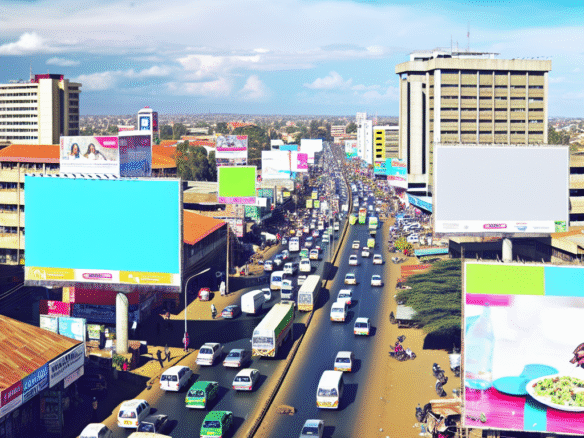
Kenyan outdoor advertising is characterized by its diversity in formats and locations. From traditional billboards to digital screens, advertisers have a plethora of choices. Nairobi’s busy Central Business District (CBD) is dotted with large-format billboards that leverage high visibility. Meanwhile, in Mombasa, beachside billboards capture the attention of both residents and tourists, promoting local businesses and events.
Cultural Relevance
Cultural relevance is critical in the Kenyan market. Advertisements often incorporate local languages, traditions, and festivals, creating a deeper connection with consumers. For instance, a billboard promoting a local food festival might feature Swahili text and vibrant images of traditional dishes, enticing the community’s participation. This localization strategy enhances brand recognition and fosters loyalty among consumers.
Innovative Campaigns
Kenya is known for its innovative advertising campaigns. Brands are increasingly using creative storytelling to engage consumers. A notable example is the Safaricom “Twaweza” campaign, which utilized OOH platforms to illustrate customer success stories. By showcasing real-life experiences, the campaign fostered a sense of community, reinforcing the brand’s image as an enabler of progress.
Billboards and Their Strategic Importance
High Reach and Impact
Billboards, particularly in metropolitan areas, are an effective medium for high reach. Nairobi billboards attract an average of 1 million impressions per day, making them an invaluable asset for advertisers looking to enhance their brand visibility. This high impact is crucial for both large corporations and small businesses seeking to increase foot traffic and sales.
Flexibility and Targeting
Billboard advertising also offers flexibility in terms of placement and design. Advertisers can strategically position their billboards in areas frequented by their target audience. For example, ads placed near universities can effectively target the youth market, while those near shopping centers attract families and professionals.
Digital Advertising: The New Wave
Integration with Traditional Media
Digital advertising in Kenya is experiencing unprecedented growth. Digital billboards offer dynamic content that can change in real-time, providing fresh messages that engage viewers continuously. Brands are integrating digital displays with traditional OOH media, enhancing their advertising campaigns. For instance, during the festive season, brands can switch their messaging to holiday promotions instantly.
Data-Driven Marketing
With the rise of technology, data-driven marketing is becoming a norm. Advertisers can now utilize analytics to determine the optimal times and locations for their ads. By analyzing foot traffic data, brands can optimize their campaigns to maximize engagement. This strategic approach leads to better ROI and informs future marketing efforts.
Real-World Examples of Success
Nairobi’s Iconic Billboards
Consider the iconic billboard near the Sarit Center in Westlands, Nairobi, where vibrant and creative displays consistently draw attention. Companies investing in such highly visible locations enjoy increased brand exposure, making strategic placement crucial for success.
Mombasa’s Coastal Advertising
In Mombasa, where beach tourism flourishes, advertisers leverage outdoor marketing to entice both locals and tourists. Seasonal advertising campaigns during peak tourist times can significantly boost local businesses. Restaurants and hotels often use this strategy to promote their services, keeping brand visibility high.
Marketing Tips for Advertisers and Brands
Embrace Local Identity
To engage effectively with Kenyan consumers, brands should embrace local identity and culture in their advertising campaigns. Use local dialects and imagery that resonate with the community. Such approaches not only promote brand affinity but also differentiate businesses from competitors.
Utilize High-Traffic Locations
Choosing high-traffic areas can significantly enhance a campaign’s effectiveness. Position ads where your target audience frequently passes, such as near popular malls, schools, and transport hubs.
Monitor Trends in Outdoor Advertising
Keeping an eye on advertising trends in Kenya will give brands insights into changing consumer preferences. For instance, sustainability is becoming a hot topic; brands that showcase an environmentally friendly approach are more likely to capture consumers’ attention.
Conclusion
Kenya’s outdoor advertising scene is rich with opportunity, innovation, and culture. By embracing its unique features and tailoring strategies accordingly, businesses can enhance brand visibility and drive growth in this dynamic market. As outdoor advertising continues to evolve, those who adapt will thrive in this vibrant ecosystem. Whether you’re a brand owner, advertiser, or marketer, understanding the nuances of Kenyan outdoor advertising can pave the way for successful campaigns that resonate with audiences effectively.



Join The Discussion