

In today’s fast-paced marketing landscape, understanding the intricacies of outdoor advertising is crucial for businesses looking to enhance their brand visibility. As Kenya’s advertising scene burgeons, the debate over whether to opt for static or digital billboards has taken center stage. With cities like Nairobi, Mombasa, Kisumu, and Nakuru becoming increasingly saturated with various advertising platforms, companies must navigate the complexities of costs, effectiveness, and impact that these Billboard types possess.
Understanding the Billboard Market in Kenya
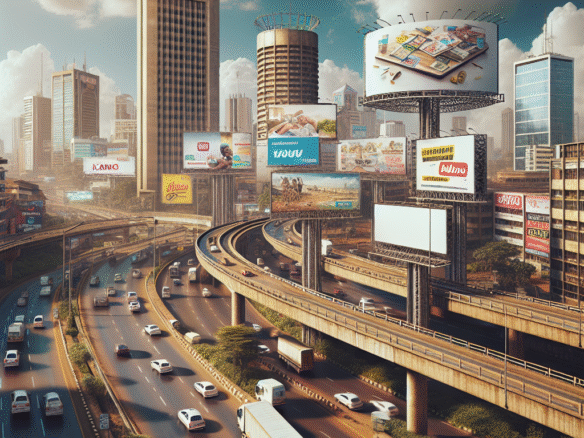
Billboard advertising is one of the most effective ways to reach a large audience in Kenya. As one of the fastest-growing sectors in the marketing ecosystem, it offers brands an avenue to showcase their products and services prominently. From shopping districts in Nairobi to busy thoroughfares in Mombasa, billboards are becoming a staple in outdoor marketing Kenya.
The Rise of Digital Billboards
Digital advertising in Kenya is experiencing an upward trajectory. With advanced technology, digital billboards provide flexible advertising solutions that allow brands to change their content at a moment’s notice. This capability enhances audience engagement by playing interactive and dynamic ads. However, this flexibility comes at a price.
The Appeal of Static Billboards
On the other hand, static billboards have stood the test of time. They are cost-effective and allow for straightforward messaging that remains constant over time. They are especially effective in rural settings and areas with less digital penetration.
Cost Breakdown: Static vs Digital Billboards
When evaluating the overall costs associated with billboard advertising, various factors come into play, including placement, maintenance, production, and visibility.
Initial and Setup Costs
Static Billboards:
The initial setup cost for static billboards generally ranges from KSh 100,000 to KSh 500,000, depending on size and location. Factors influencing this include:
- Location: Prime locations in Nairobi, such as Westlands or Central Business District (CBD), typically command higher rental fees compared to secondary towns like Kisumu.
- Size: The larger the billboard, the higher the cost. A standard 10×20 foot billboard could cost more than a smaller variant.
Digital Billboards:
Digital billboards come with a heftier price tag. The setup costs can range from KSh 1 million to KSh 5 million or more. This includes:
- Infrastructure: Digital billboards require more technological investment, including lighting, screens, and control systems.
- Installation: The installation process can also be more complex and time-consuming, requiring specialized skills.
Ongoing Costs: Maintenance and Updates
Maintenance and operational costs differ immensely between the two options.
Static Billboards:
Once established, static billboards have lower annual maintenance costs, generally around KSh 30,000 to KSh 100,000. Depending on wear and tear, they require occasional repainting, and upkeep is relatively simple.
Digital Billboards:
Digital billboards, however, can incur higher ongoing costs, ranging from KSh 100,000 to KSh 300,000 annually. These costs include:
- Regular Maintenance: With technology, digital billboards may need more frequent repairs.
- Content Updates: Although updating content is more convenient, it is also more expensive. Advertising on digital platforms may require additional design fees.
Visibility and Reach
When considering brand visibility, the effectiveness of each type of billboard plays a crucial role.
Static Billboards:
Static billboards serve a broad demographic, reaching individuals who may not engage with digital platforms. Their consistent messaging can reinforce brand awareness over time. For instance, billboard campaigns in regions like Nakuru have effectively promoted local businesses, achieving meaningful engagement.
Digital Billboards:
In contrast, digital billboards offer real-time engagement opportunities. For example, during events like the Nairobi International Trade Fair, brands utilizing digital boards can switch displayed ads to cater to audience interests, maximizing reach and impact. When data analytics are incorporated, advertisers can target specific demographics based on traffic patterns or time of day.
Key Takeaways for Advertisers
Understanding Your Target Audience
Before choosing between static or digital billboards, advertisers should conduct a thorough audience analysis. Knowing where your target audience spends their time is essential. For urban centers like Nairobi, digital billboards may yield better engagement, while rural areas might respond better to static formats.
Aligning Budget with Marketing Goals
Evaluating your marketing budget is crucial. If upfront costs are a concern, static billboards might offer a feasible solution. However, if your brand aims for high visibility and can afford the investment, digital billboards provide opportunities for dynamic advertising that can adapt to your audience’s needs.
Leveraging Location Wisely
When considering locations for billboard placement, prioritize areas with high foot traffic. Nairobi’s bustling areas can yield impressive returns; similarly, positioning static billboards in strategically selected neighborhoods like Kileleshwa or Lang’ata can maximize brand impressions.
Flexibility in Advertising Strategies
The flexibility of digital billboards allows advertisers to tailor their strategies in real time. Businesses can take advantage of local events or trends to adjust their messaging, attracting more eyes during peak times. If you’re launching a new product in time for the December holiday season, utilizing digital billboards allows real-time updates to reach holiday shoppers.
Measuring Effectiveness
Investing in monitoring tools can enhance your return on investment. Analyzing metrics and conducting surveys will provide insights into whether the chosen billboard type resonates with the target audience. Techniques like QR codes or specific social media hashtags can provide measurable interaction data to evaluate campaign effectiveness.
Exploring Hybrid Solutions
It’s also worth contemplating a hybrid strategy. For example, combining traditional static billboards with digital countdowns for an upcoming event can create buzz and enhance visibility. This strategy engages both broad and targeted audiences effectively.
Final Insights
The decision between static and digital billboards should be made with careful consideration of various factors, including costs, audience engagement, and the specific marketing goals of your brand. Advertisers and property owners in Kenya should keep a pulse on trends in outdoor advertising, aligning their strategies with the rapidly evolving landscape. As OOH media continues to expand, a comprehensive understanding of both options will empower brands to maximize their visibility and impact in the competitive market. Exploring advanced technologies in digital signage will also position businesses at the forefront of advertising trends in Kenya, enabling them to reach untapped audiences.



Join The Discussion