
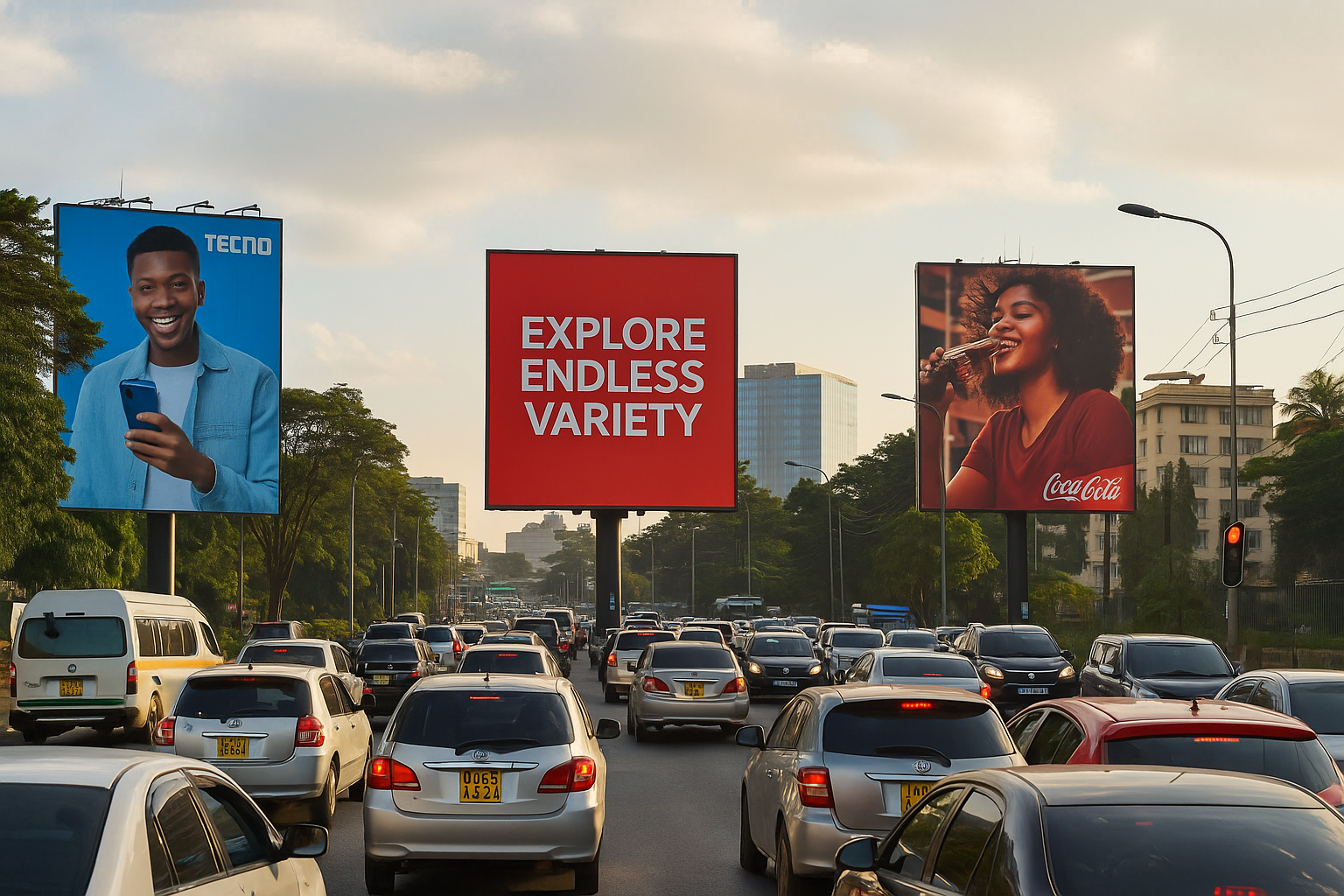
Advertising in Nairobi’s bustling streets is a high-stakes game. With traffic, commuting patterns, events, seasonal shifts, and consumer behavior all in flux, the timing of your billboard campaign can make or break your ROI. In this guide, we’ll walk you through best practices, local insights, and actionable tactics for timing billboard campaigns for maximum visibility in Nairobi — so Kenyan advertisers can get more eyes, more engagement, and more conversions.
Why Timing Matters: Visibility, Reach & Recall
Billboards are powerful — when seen. But being merely present is not enough. The timing of deployment, refresh, and duration influence:
- Peak viewership windows: aligning with rush hours, commuter flows, and high footfall periods
- Seasonal and event-driven spikes: shopping seasons, election campaigns, festivals
- Message freshness: rotating or reinforcing creatives before audience fatigue sets in
- Budget efficiency: not burning money in low-impact periods
A 2023 study by Ipsos Kenya revealed that 70% of Kenyans notice billboards daily — meaning there’s consistent opportunity, but only if your messaging is in front of them at the right moments.
Understanding Nairobi’s Traffic & Audience Rhythms
Before diving into timing strategies, it’s crucial to understand Nairobi’s mobility and daily patterns.
Nairobi’s Peak Hours & Traffic Bottlenecks
- Morning rush (≈ 6:30 AM – 9:30 AM): heavy inbound traffic from suburbs like Kikuyu, Ruiru, Rongai
- Evening rush (≈ 4:30 PM – 7:30 PM): outbound movement, especially on arterial roads such as Thika Road, Ngong Road, and Lang’ata Road
- Midday lull (≈ 10:30 AM – 3:30 PM): lower vehicular movement but higher pedestrian activity in CBD, malls, markets
- Late evening / night: reduced traffic, but essential for 24-hour visibility if your board is lit
Event & Seasonal Calendars
Certain periods see elevated footfall or commuter movement:
- Back-to-school (January – February)
- Mid-year holidays & exam season (June – July)
- Festive season (November – December)
- Major events, political campaigns, or cultural festivals
Best Practices for Timing Billboard Campaigns in Nairobi
Choosing the Right Start Date & Duration
Align your launch with traffic surges. For example:
- Start in late January for campaigns targeting the first semester
- Launch ahead of holiday shopping — late October rather than mid-November
- For event-based campaigns (e.g. exhibitions or music festivals), go live at least one full week before the event
Optimal duration is equally important. Too short (1–2 weeks) offers insufficient exposure, while too long with the same creative can cause audience fatigue. A good rule is 4–8 weeks for general branding, 2–4 weeks for promotional campaigns, with a creative refresh around week 4.
Segmenting by Location & Audience
Timing should vary based on the type of location:
- Highways & expressways: maximize during rush hours
- Retail corridors & malls: midday and evening may be best
- Transit hubs, airports, train stations: 24/7 visibility to cover commuter schedules
- Residential catchments: early morning and evening windows
Integrating Digital & OOH Timing
If your campaign includes Digital Out-of-Home (DOOH) screens (LED billboards, video walls), you can schedule creative slots by hour. For example, run high-impact ads during peak windows and softer branding during off-peak times. Kenyan digital billboard firms like Neo Media allow scheduling and programmatic control.
Case Studies: How Kenyan Ad Agencies Time Billboards
Alliance Media Kenya
Alliance Media places static and digital billboards across Nairobi’s busiest roads, including Uhuru Highway and Waiyaki Way. They often schedule digital screens during commuter traffic windows while static boards remain constant.
Firmbridge Kenya
Firmbridge emphasizes rotational creative strategies across its 459 billboard faces and digital screens. They typically refresh creative every 4 weeks and use overlapping periods to ensure continuity during transitions.
Neo Media Kenya
Neo Media’s DOOH model allows advertisers to pre-book time slots and tailor creative timing, for instance launching lunch-hour promos only during midday. Their approach blends campaign timing with programmatic precision.
Step-by-Step Guide: Timing Your Next Nairobi Billboard Campaign
- Define your campaign objective and target audience
- Map out optimal time windows using traffic data and seasonal calendars
- Select billboard locations with timing in mind, such as commuter routes or shopping streets. You can browse options at KenyaBillboards.com
- Decide launch date and duration: 6–8 weeks for branding, 2–4 weeks for promos
- Plan mid-campaign refreshes to maintain attention
- Monitor and adjust using traffic observations or DOOH analytics
- Evaluate results to refine future campaigns
Sample Campaign Timeline
| Phase | Duration | Timing Focus | Key Activities |
|---|---|---|---|
| Pre-launch | 3–5 days | Soft awareness | teaser visuals |
| Main Campaign | 4–6 weeks | Peak traffic windows | full creative live |
| Mid-refresh | 2 days | Creativity boost | alternate messaging |
| Extension | 1–2 weeks | Buffer period | maintain presence |
Pitfalls to Avoid
- Launching mid-week without ramp-up time
- Running campaigns in low-traffic months without refreshing
- Holding the same creative for too long, causing visual fatigue
- Ignoring local events or road works that reduce visibility
- Overlooking billboard permit and regulatory windows in Nairobi
Why Well-Timed Billboards Deliver Real Value
- Higher effective impressions during peak hours
- Better alignment with consumer mindset (morning vs. evening commuters)
- Improved synergy with digital campaigns
- More efficient spend with reduced waste
- Increased recall and action due to repeated peak-time exposure
Billboard advertising remains one of the most cost-effective, high-impression channels in Kenya. By mastering timing, advertisers can amplify their visibility and maximize ROI.

Join The Discussion